
MORE ABOUT US
Your Guide to Functional Health and Wellness
Dive into expert insights, practical tips, and inspiring stories on functional health, holistic healing, and wellness.
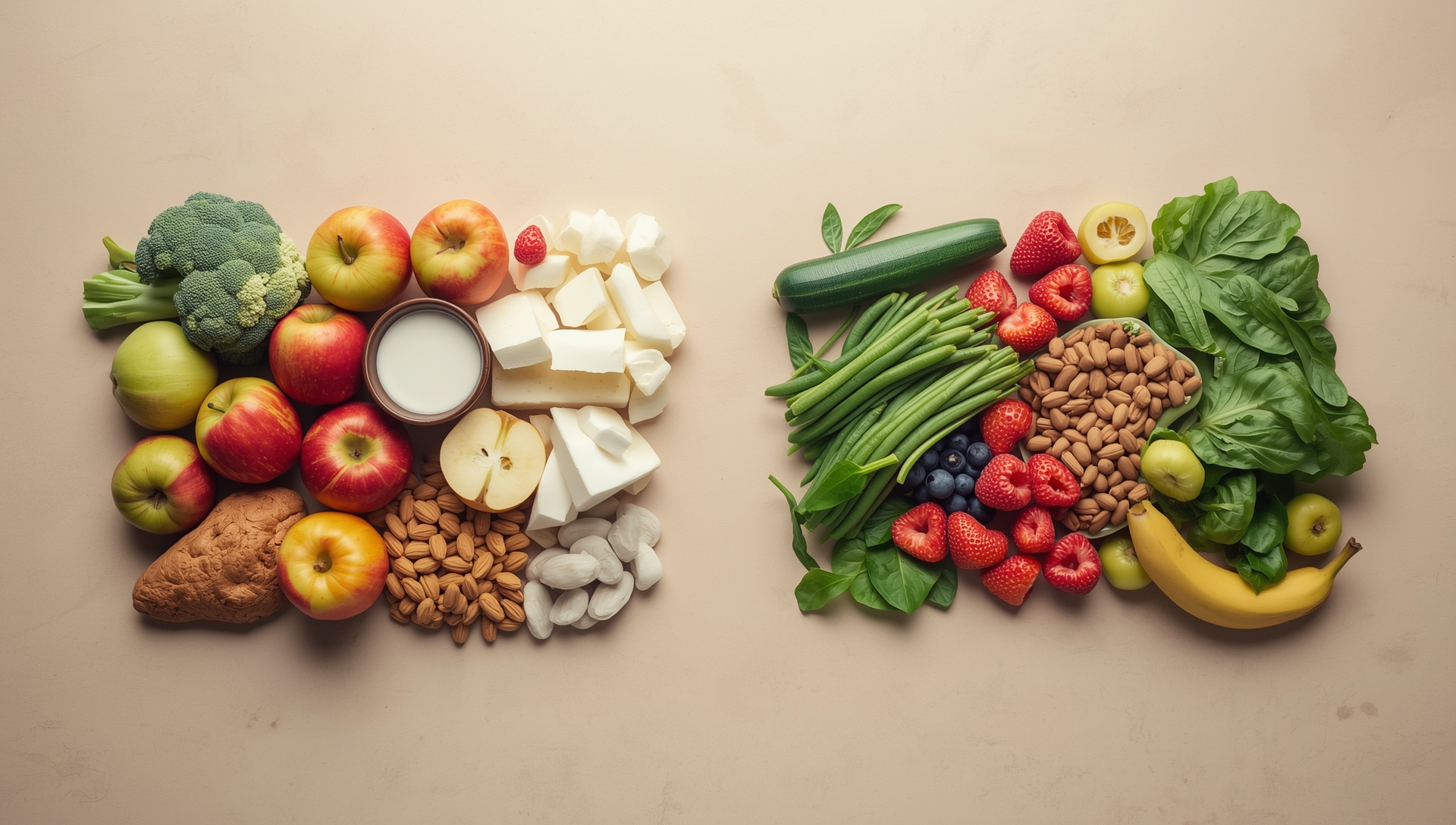
5 Foods That Secretly Worsen Bloating and What to Eat Instead
Do you ever finish a perfectly healthy meal only to feel uncomfortable and swollen moments later? It is incredibly frustrating when you are trying to do the right thing for your body but still end up with a belly that feels tight and painful. You are not imagining it, and you are definitely not alone.
Many busy women deal with this daily discomfort. At My Remedy Functional Health, we often find that the "healthy" foods we rely on are actually hidden triggers for bloating and digestive distress. Understanding these triggers is a key part of supporting your overall gut health. Here are five common culprits and simple swaps to help you feel your best.
1. Cruciferous Vegetables
Broccoli, cauliflower, kale, and Brussels sprouts are often praised as nutritional powerhouses. However, they contain a complex sugar called raffinose. Humans lack the enzyme needed to break this sugar down completely in the stomach and small intestine. As a result, when these vegetables reach the large intestine, bacteria try to ferment the undigested sugar, producing significant gas in the process.
What to eat instead:
Cooking these vegetables thoroughly can help break down the fibers before you eat them. If you still notice sensitivity, try swapping them for gentler options that are easier on your digestive health, such as:
Spinach
Zucchini
Green beans
Cucumber
2. Apples
An apple a day might not keep the bloating away if you have a sensitive system. Apples are high in fructose (fruit sugar) and fiber. For those with food sensitivities or slower digestion, excess fructose can be difficult to absorb. This leads to fermentation in the intestines, causing gas, expansion, and discomfort.
What to eat instead:
You do not have to give up fruit entirely. Opt for options with lower fructose levels that provide sweetness without the heavy digestive load. Great alternatives include:
Blueberries or strawberries
Bananas
Cantaloupe
3. Lentils and Beans
Legumes are a great source of protein, but they are famous for causing gas for a reason. They contain galactans, a type of carbohydrate that functions similarly to fiber. While this can be beneficial for some, it often causes significant distress and swelling for a sensitive gut because the body struggles to digest it fully.
What to eat instead:
If you love beans, soaking dried varieties overnight can help reduce these gas-causing compounds. Alternatively, canned lentils are often better tolerated because the canning process breaks down some of the hard-to-digest starches. You might also try lighter proteins that are easier to digest, such as quinoa or organic chicken.
4. Dairy Products
Even if you do not have a full allergy to dairy, you might have a sensitivity to lactose. As we age, our bodies often produce less lactase, which is the enzyme needed to digest milk sugars properly. This can lead to immediate bloating and discomfort after consuming milk, soft cheeses, or regular yogurt.
What to eat instead:
Experiment with hard cheeses like cheddar or parmesan, which have naturally lower lactose content. Plant-based alternatives are also fantastic swaps that support functional health without the irritation. Try:
Almond milk
Coconut yogurt
Macadamia nut milk
5. Sugar-Free Gum and Sweeteners
Many "diet" products or sugar-free gums contain sugar alcohols like sorbitol, mannitol, or xylitol. Your body cannot fully digest these substances. Instead, they pull water into your intestine and get fermented by bacteria, acting like a storm for your digestive tract.
What to eat instead:
If you need a sweetener, stick to small amounts of natural options like maple syrup or raw honey. For fresh breath, skip the gum and try chewing on fresh mint leaves or fennel seeds, which naturally aid digestion rather than disrupting it.
Finding Relief for Your Unique Body
Navigating digestive issues can feel overwhelming, but small changes often make the biggest difference. It is not about restricting yourself forever. It is about learning what fuels your unique body and what slows it down. You deserve to feel light, energetic, and comfortable in your own skin again.
If you are ready to stop guessing and start understanding the root cause of your symptoms, we are here to support you. We invite you to explore our comprehensive 3-Month Gut Health Program and take the first step toward lasting relief.
Learn more about the Remedy My Gut Program